
 Get a Quote
 Send Inquiry
Casual Shirt Pocket Interlining
Price 15 INR/ Piece
MOQ : 100 Pieces
Casual Shirt Pocket Interlining Specification
- Product Type
- Linings
- Material
- Cotton
- Lining Type
- Fusible
- Fabric Type
- Non-Woven
- Pattern
- Plain
- Length
- 50-100 Meter (m)
- Width
- 36 Inch (in)
- Color
- Different Available
- Usage
- Garment Industry, Pocket Support
- GSM
- 50-100 gsm
- Shrink Resistant
- Yes
- Adhesive
- Non-Fusible
- Packaging Type
- Roll
- Texture
- Smooth
Casual Shirt Pocket Interlining Trade Information
- Minimum Order Quantity
- 100 Pieces
- Payment Terms
- Cash on Delivery (COD)
- Supply Ability
- 5000 Pieces Per Month
- Delivery Time
- 10 Days
- Main Export Market(s)
- Eastern Europe, Western Europe
- Main Domestic Market
- All India
About Casual Shirt Pocket Interlining
Casual Shirt Pocket Interlining is a kind of layer of cloth that is attached to the inside of a shirt pocket for giving it more durability and structure. The interlining is normally made from a lightweight material like cotton or polyester and is combined to the back of the pocket cloth with the use of heat and pressure. This helps in preventing the pocket from losing or sagging its shape over time, and also helps in preventing items like wallets or phones from poking through the fabric. Further, Casual Shirt Pocket Interlining is mostly found on casual dress shirts and is often invisible from the outside of the shirt.
Superior Pocket Support for Casual Shirts
Designed to enhance durability and maintain structure, this pocket interlining offers excellent support for casual shirt pockets. The smooth texture and plain pattern blend seamlessly with shirt fabrics, while the shrink-resistant finish ensures longevity, wash after wash. Sourced from high-quality cotton materials, it is engineered to withstand daily wear, keeping shirt pockets crisp and functional.
Versatile Application Across the Garment Industry
This interlining is tailored for the garment industry, ideal for manufacturers, suppliers, and traders who prioritize quality and consistency. Its non-woven construction and roll packaging enable easy incorporation into mass shirt production lines, while the choice of colors and GSM range provides ample flexibility for designers seeking both style and structure.
FAQ's of Casual Shirt Pocket Interlining:
Q: How is this pocket interlining used in shirt manufacturing?
A: This pocket interlining is cut to shape and sewn directly between the outer fabric layers of shirt pockets. Its non-fusible nature means it is attached using stitching rather than heat or adhesive, making it suitable for both automated and manual garment assembly.Q: What are the benefits of using shrink-resistant, non-fusible interlining?
A: Shrink-resistant properties ensure the interlining maintains its size after laundering, preventing pocket distortion. Being non-fusible, it offers flexibility during manufacturing, allowing precise placement without heat bonding, which is ideal for delicate or specialty fabrics.Q: When should I choose non-fusible cotton interlining over fusible options?
A: Select non-fusible cotton interlining when working with heat-sensitive fabrics, intricate designs, or when extra breathability is needed in the finished garment. It's a preferred choice where classic tailoring techniques are required or for premium-quality shirts.Q: Where is this product typically sourced and distributed?
A: We manufacture and distribute this interlining across India, supplying to garment makers, importers, exporters, and local traders to ensure a seamless supply for the apparel sector. Our wide-reaching network ensures quick and reliable product availability.Q: What is the manufacturing process for this interlining?
A: The process involves using high-grade cotton fibers to create a non-woven fabric, which is then treated for shrink resistance and finished with a smooth texture. The product is then cut to specified widths and lengths and rolled for convenient packaging and distribution.Q: How does the GSM range impact the application of the interlining?
A: The GSM (grams per square meter) range of 50-100 allows customization based on desired firmness and weight. Lighter GSM is suitable for softer, casual shirts, while higher GSM offers more structure for formal or workwear shirts.Q: What makes this interlining an advantageous choice for garment manufacturers?
A: Its consistent quality, shrink resistance, and smooth finish help produce crisp, durable shirt pockets. Easy stitch-in application saves time, and the wide range of available sizes and colors accommodates various design and production needs.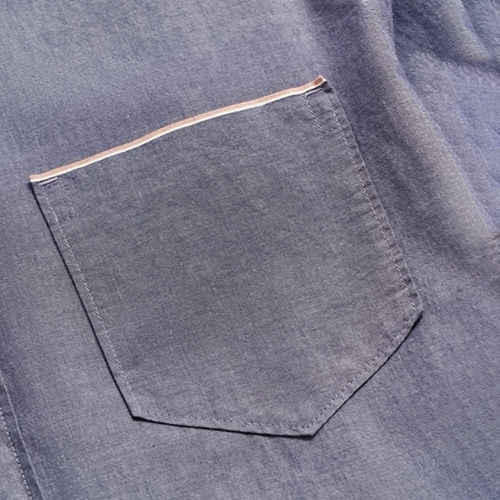
Tell us about your requirement

Price:
Quantity
Select Unit
- 50
- 100
- 200
- 250
- 500
- 1000+
Additional detail
Mobile number
Email


Contact Us

- Unit No.3, Gandhi House, Raj-Rajeshwari Lane, Narayan Nagar, Opp. Samagri Bhavan, Ghatkopar West, Mumbai - 400086, Maharashtra, India
- Phone :08045802022

- Send Inquiry
- Mr. Ketak Balvant Batavia(Proprietor)
Mobile :08037746929,+919820456414
 Send Inquiry
Our Products
- Shirt Interlining
- Double Fused Collar
- Single Fused Collar
- Double Fused Cuff
- Single Fused Cuff
- Front Placket Patti Roll
- Shirt Pocket Interlining
- Trouser Trims
- Belt Roll
- Trouser Gripper
- Pocketing Fabrics
- Ready Pocket Sets
- Trouser Linings
- Suit Trims
- Under Collar Felt
- Shoulder Pads
- Sleeveheads Mundapatti
- Fusible Interlinings For Fronts and Lapels
- Hair Canvas
- Chest Felt
- Bemberg Linings
 Send Inquiry
 Send SMS
Developed and Managed by Infocom Network Private Limited.


 English
 Spanish
 French
 German
 Italian
 Chinese (Simplified)
 Japanese
 Korean
 Arabic
 Portuguese
